Flat pack houses
Can flat pack houses be relocated after installation? This question has gained importance as more people seek flexible and sustainable housing options. Flat pack houses are designed with modularity and mobility in mind, making them uniquely suited for situations where permanent placement is not ideal. Unlike traditional brick-and-mortar homes, flat pack houses are constructed using prefabricated components that are engineered to be assembled, disassembled, and reassembled with relative ease. This inherent flexibility allows homeowners, developers, and organizations to adapt their living or working spaces as circumstances change.
One of the main advantages of flat pack houses is their modular construction. Each section is manufactured in a controlled factory environment, ensuring consistent quality and precision. These components are then transported to the installation site, where they are assembled to form a complete structure. Because the houses are built in modules, disassembling them for relocation is considerably easier than demolishing a traditional home. The process typically involves carefully separating the modules, transporting them to a new location, and reassembling them without significant structural compromise. This makes Flat Pack Houses a practical option for temporary projects or situations where property ownership may change over time.
Durability and design are also factors that support the relocation of flat pack houses. Most units are constructed from steel frames, reinforced panels, and durable cladding materials, which allow them to withstand multiple assembly and disassembly cycles. Additionally, manufacturers design the joints, connectors, and fastenings to be reusable, further simplifying the relocation process. This durability ensures that flat pack houses maintain their integrity even after being moved, allowing them to serve as long-term housing or office solutions in multiple locations over their lifespan.
The logistics of relocating flat pack houses are relatively straightforward, although careful planning is essential. Transporting modules requires trucks or other vehicles capable of carrying prefabricated sections safely. In some cases, special permits or equipment may be needed, especially for larger units. Once the modules arrive at the new site, the foundation is prepared, and the house is reassembled. While the process is less labor-intensive than building a new home from scratch, it still requires skilled technicians and adherence to local building codes to ensure safety and stability. For homeowners, hiring experienced professionals ensures that the relocation is completed efficiently and without damage to the structure.
Flexibility in design is another reason why flat pack houses are suitable for relocation. Because the modules can be customized during the initial construction or even during relocation, it is possible to adjust layouts, add extensions, or modify interior spaces according to new requirements. This adaptability makes flat pack houses appealing for both residential and commercial applications. For example, construction companies may use relocated flat pack houses as temporary offices or accommodation for workers, while private homeowners can move their houses to a new plot of land without having to invest in entirely new construction.
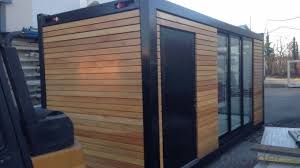
Can flat pack houses be relocated after installation?
Cost efficiency is a further benefit when relocating flat pack houses. Building a traditional home in a new location involves significant expenses, including labor, materials, and permits. In contrast, relocating a flat pack house can save money because the main structural components are reused, and assembly time is considerably reduced. Although transport and reassembly incur some costs, these are generally lower than constructing a new home from the ground up. This makes flat pack houses an attractive choice for people who anticipate needing to move their homes in the future or for businesses that require temporary office spaces in different locations.
Environmental sustainability is also enhanced by the relocatability of flat pack houses. By reusing existing modules rather than constructing new buildings, material waste is minimized, and the carbon footprint associated with production and construction is reduced. Many flat pack houses are also designed with energy-efficient insulation, sustainable materials, and modular utilities, which remain functional even after relocation. This combination of mobility and sustainability appeals to environmentally conscious consumers and businesses seeking flexible solutions that reduce long-term environmental impact.
Another practical consideration is the speed of relocation. Because flat pack houses are prefabricated, the process of disassembling and reassembling is faster than traditional construction. Depending on the size and complexity of the unit, relocation can be completed in a matter of days or weeks. This rapid deployment makes flat pack houses particularly useful for emergency housing, temporary workspaces, or seasonal accommodations, where time is a critical factor.
In conclusion, can flat pack houses be relocated after installation? Yes, they can, thanks to their modular design, durable materials, and efficient assembly process. The ability to disassemble, transport, and reassemble these homes provides flexibility, cost savings, and environmental benefits that traditional construction cannot match. Whether for private homeowners, commercial projects, or temporary accommodations, flat pack houses offer a practical and sustainable solution for those who need adaptable living or working spaces. Their relocatability makes them an increasingly popular choice in a world where flexibility and efficiency are highly valued.
